Clermont’s older neighborhoods carry a character that newer subdivisions can’t replicate. It is home to mature oak canopies, established citrus-era streets, and houses framed back when solid timber and hand-laid masonry were the norm. But this vintage appeal comes with liabilities. Decades of Florida heat, humidity, and torrential summer storms gradually loosen seals, widen joints, and soften wood, turning a cherished older home into major real estate for unwanted tenants.
If you own one of these character-rich properties, knowing which invaders gravitate toward aging construction is your first line of defense. Arranging dependable Clermont pest control services before an infestation takes hold can spare you the structural headaches and health concerns that can follow. Below are the culprits most drawn to older homes, and why they find them hard to resist.
What Makes Aging Homes Inviting
Newer Clermont builds benefit from sealed slabs, modern flashing, and tight construction tolerances. Older homes were built to different standards and have since weathered decades of subtropical wear. Hairline foundation cracks, deteriorated weatherstripping, original wood siding, and dim crawlspaces combine to offer pests food, moisture, shelter, and easy access in one convenient package.
Subterranean Termites Exploit Aging Timber
Subterranean termites are a year-round reality across Central Florida, and older homes hand these insects what they crave. Settled foundations, wood-to-soil contact, and decades of moisture intrusion create entry routes into the framing. Because termites tunnel from below, the damage often advances unseen until floors sag or door frames warp. Telltale clues worth watching for include:
- Mud tubes climbing foundation walls or pier blocks.
- Discarded wings near windowsills after a spring swarm.
- Hollow-sounding baseboards or blistered paint.
- Frass, the gritty pellets termites leave behind.
Older properties rarely have modern soil treatments in place, which is why a long-established local team such as Avata Pest Control treats vintage homes as ongoing monitoring priorities.
Cockroaches Settle into Older Plumbing and Crevices
Aging drain lines, gapped crawlspaces, and worn cabinetry provide roaches with the warmth and moisture they thrive on. The American cockroach favors damp utility areas and older sewer connections. German cockroaches congregate in kitchens, slipping into the seams of dated counters and appliances. Sadly, roaches spread bacteria and can aggravate asthma, so the problem is a health matter. Because these insects shelter deep in cracks the original plans never accounted for, treatments that reach into these hidden seams can outperform quick perimeter sprays.
Ants March Through Weathered Mortar and Window Frames
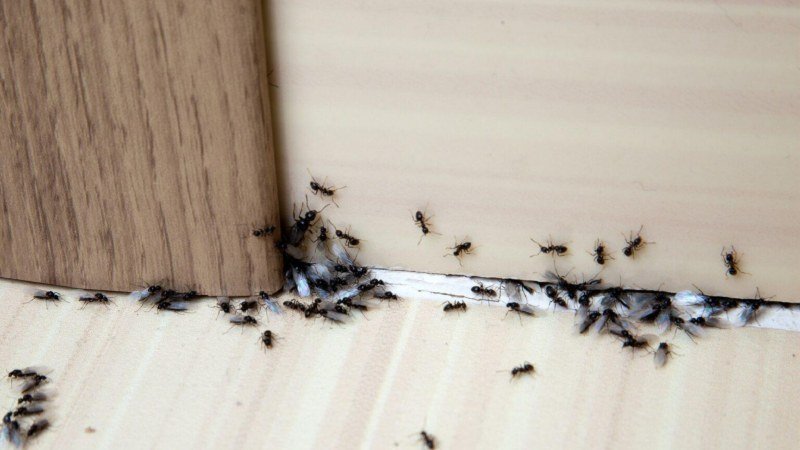
Time is unkind to caulk and mortar. As the seals around older brickwork and window panes crack and shrink, ants exploit the openings, following scent trails straight to the pantry. Their tiny size lets them slip through gaps not wider than a sheet of paper, and a handful of scouts can escalate into a full colony within weeks. Store-bought products rarely reach the nest, so persistent ant activity in an older home usually calls for professional treatment grounded in the behavior of the specific species.
Rodents Slip Through Foundation Gaps and Attics
A mouse needs only a dime-sized opening, and older homes are riddled with them, settling cracks, gaps around utility penetrations, and uncapped attic vents. As cooler weather arrives, mice and rats migrate indoors for warmth, nesting in insulation and gnawing through wiring. Their droppings stain, their chewing damages, and their numbers climb quickly once they feel secure. Sealing these access points is the only durable fix, as trapping alone rarely keeps a determined rodent out for long.
Silverfish and Spiders Claim Undisturbed Corners
Humidity-loving silverfish are destructive, feeding on the paper, glue, and cellulose tucked away in older closets, bookshelves, and storage rooms. Spiders follow their prey indoors, spinning webs in the still, shadowy spaces that aging homes may have in abundance. Neither pest commands much attention at first, but both point to the cool, moist, seldom-disturbed conditions that older properties supply year-round.